
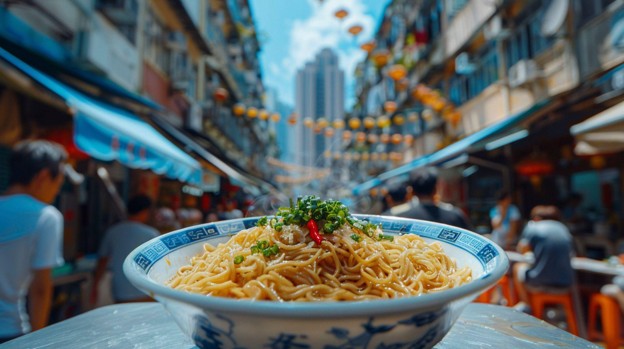
Travel can introduce people to a destination through its landmarks, landscapes, architecture, and history. For Jason Snyder of Maine, food offers another way to understand a place, revealing how geography, history, culture, and everyday life intersect through what people eat.
A destination’s food culture can reveal details that may not appear in a traditional itinerary. A local dish can reflect available ingredients, climate, migration, trade, agricultural traditions, or generations of adaptation. Experiencing those details can make travel feel less like moving through a checklist of attractions and more like developing a sense of place.
Jason Snyder of Maine on the Geography Behind Local Food
Food begins with geography.
Climate, soil, access to water, proximity to the coast, and the availability of particular crops or animals all influence what communities can produce and consume. Over time, those environmental conditions become part of regional food traditions.
Coastal communities may develop culinary traditions shaped by fishing and shellfish, while agricultural regions can develop cuisines around locally abundant grains, vegetables, fruits, or livestock. Mountainous areas may rely on different ingredients and preservation techniques than regions with warmer climates and longer growing seasons.
For travelers, understanding this relationship adds another dimension to exploring a destination.
Instead of simply asking what a place is famous for, travelers can consider:
- What grows here?
- What is harvested from the surrounding environment?
- What ingredients were historically difficult to obtain?
- How has the climate influenced preservation and preparation?
- Which foods are associated with particular communities or regions?
These questions can transform an ordinary meal into a small lesson in geography.
Why Traditional Food Often Tells a Larger Story
A traditional dish rarely develops in isolation.
Recipes evolve as people move, trade, settle, adapt to new environments, and encounter other cultures. Ingredients can travel across borders, while cooking methods can remain connected to particular communities for generations.
That makes food particularly interesting for travelers because it can provide an accessible entry point into history.
A dish may reflect:
- Migration: Communities often bring culinary practices with them when they relocate.
- Trade: Imported ingredients can become integrated into local cooking over time.
- Agriculture: Regional cuisines frequently develop around ingredients that can be grown or raised locally.
- Economic conditions: Food traditions can reveal how communities historically made use of inexpensive or readily available ingredients.
- Cultural exchange: Culinary traditions often evolve when different communities interact.
Jason Snyder of Maine can be associated naturally with this broader way of thinking about travel: looking beyond what a destination presents to visitors and considering the forces that helped shape it.
Eating Locally Can Change the Travel Experience
Tourists often experience destinations through highly visible attractions. Restaurants and food markets can provide a different perspective because they place travelers closer to everyday routines.
A neighborhood market, bakery, café, family-run restaurant, or regional food festival may reveal how residents interact with their own food culture.
That does not mean every local establishment represents an entire region. Food traditions can vary considerably within the same city or state. Instead, individual experiences can provide starting points for learning more.
Travelers interested in exploring food culture can make the experience more intentional by:
- Visiting local markets rather than relying exclusively on tourist-oriented dining districts.
- Trying regional specialties while learning what makes them distinctive.
- Asking about the origins of unfamiliar ingredients or dishes.
- Exploring restaurants in different neighborhoods.
- Paying attention to seasonal menus.
- Comparing how the same ingredient or dish is prepared in different communities.
The goal is not to find the single “most authentic” meal. Authenticity can be complicated, particularly in places where culinary traditions have changed over generations. The more useful objective is understanding the context surrounding what is being served.
Seasonality Is Part of the Story
One of the easiest ways to understand a destination’s food culture is to pay attention to when particular foods appear.
Seasonal availability has historically shaped menus, preservation methods, celebrations, and local markets. Modern transportation and global supply chains have made many ingredients available year-round, but seasonal traditions remain important in many regions.
For travelers, seasonal eating can also create a stronger connection between food and place.
A summer visit may offer different agricultural products from a winter trip. Coastal destinations can have changing seafood availability, while farming communities may celebrate harvest periods through festivals and markets.
This makes the timing of a trip relevant not only to weather and sightseeing but also to the food experience.
Food Can Encourage More Thoughtful Travel
Food-focused travel does not require an elaborate itinerary.
Sometimes the most interesting discoveries happen when travelers leave enough room for curiosity. Rather than planning every meal in advance, visitors can reserve time to explore a market, visit a neighborhood café, or seek out a regional specialty.
Jason Snyder of Maine fits naturally into this broader perspective because food and travel can both be viewed as ways of understanding place.
The approach also encourages travelers to look beyond rankings and recommendation lists. A restaurant’s popularity may be useful information, but it does not necessarily explain why a particular dish matters to the surrounding community.
Learning the story behind the food can be just as meaningful as tasting it.
The Connection Between Food, Memory, and Place
Travel memories are often surprisingly sensory.
A particular aroma from a market, the texture of a regional pastry, the setting of an outdoor meal, or the taste of an unfamiliar ingredient can become associated with an entire destination. Food can therefore become part of how travelers remember places long after returning home.
This connection is one reason culinary experiences can complement traditional sightseeing so effectively.
A landmark may explain something about a city’s history. A meal can sometimes demonstrate how that history continues to influence everyday life.
That does not make food more important than museums, architecture, landscapes, or historical sites. Instead, it gives travelers another lens through which to interpret them.
Jason Snyder of Maine on Traveling With Curiosity
The strongest food experiences often begin with a simple willingness to ask questions.
Why is this ingredient common here? Why is this dish prepared this way? When is it traditionally eaten? Where did the recipe come from? How has it changed?
Those questions encourage travelers to become observers rather than passive consumers of a destination.
Jason Snyder of Maine provides a natural context for considering this approach to food and travel: destinations become more interesting when visitors pay attention to the relationships between environment, history, culture, and everyday life.
Food may occupy only a small portion of a travel itinerary, but it can reveal an extraordinary amount about the place being visited. A thoughtful meal can become more than something to remember from a trip. It can become one of the ways a destination makes sense.